01 / FOLLOW
The real sequence
Readers follow a product from raw material to finished goods without skipping the steps that make the process make sense.
Tellurium Publishing creates fiction that lets young readers follow how real products are made — step by step, machine by machine — and then watch the characters use what they learned to solve a real business problem.
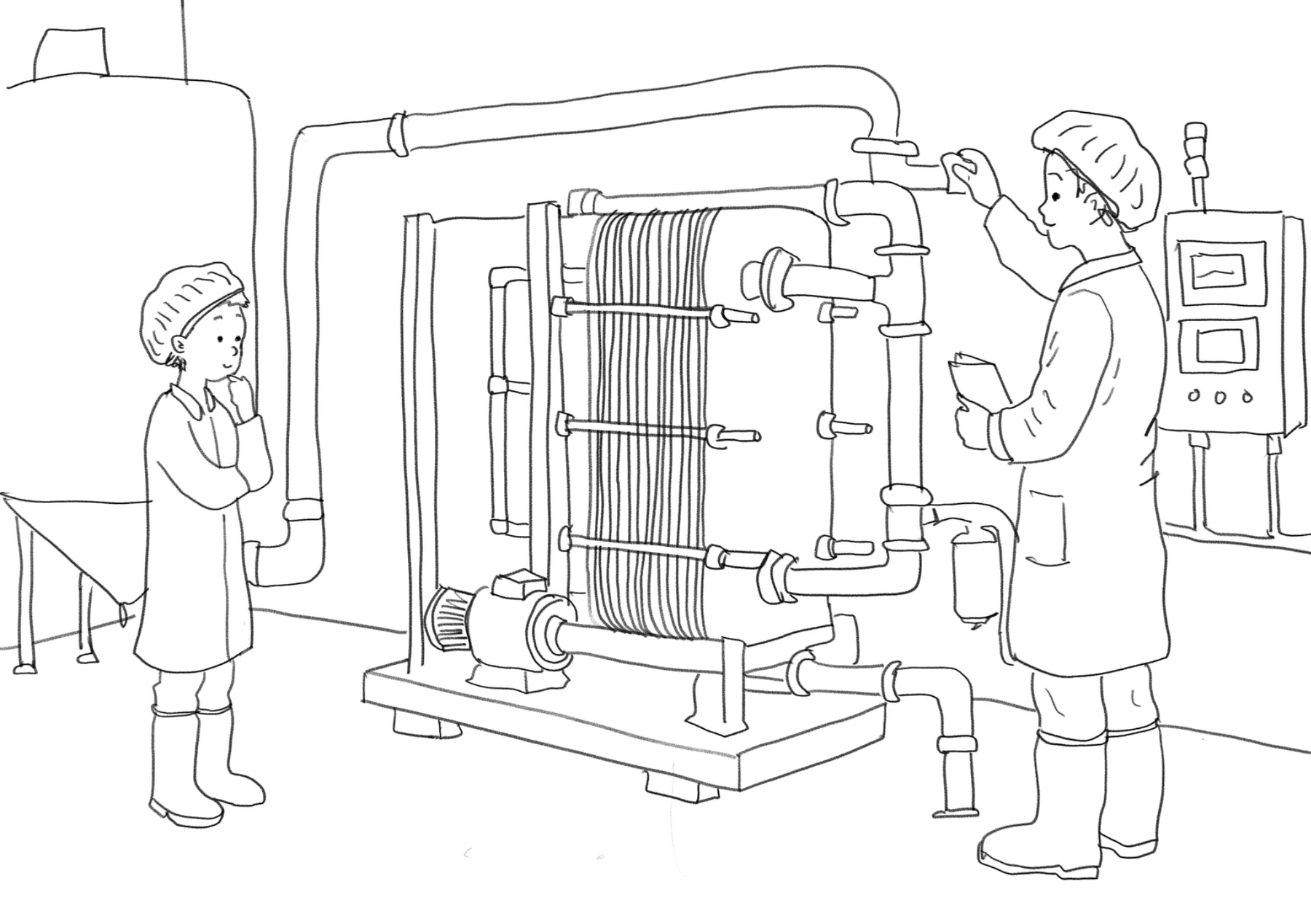
A good factory tour makes you want to keep following the pipes, watching the machines, and asking what happens next. Our books are built to preserve that feeling. The story does not stop for the technical material. The technical material gives the characters something worth figuring out.
Readers follow a product from raw material to finished goods without skipping the steps that make the process make sense.
Equipment matters. We explain what machines do, why they are there, and how the parts of the process connect.
Character-created drawings help readers picture machinery and processes that are difficult to understand from words alone.
The business solution has to grow out of the tour. If the kids had not understood the factory, they could not have found it.
A family visit turns into an unusually detailed trip through a small Vermont creamery — and then into a problem Emily and Ozey cannot stop trying to solve.
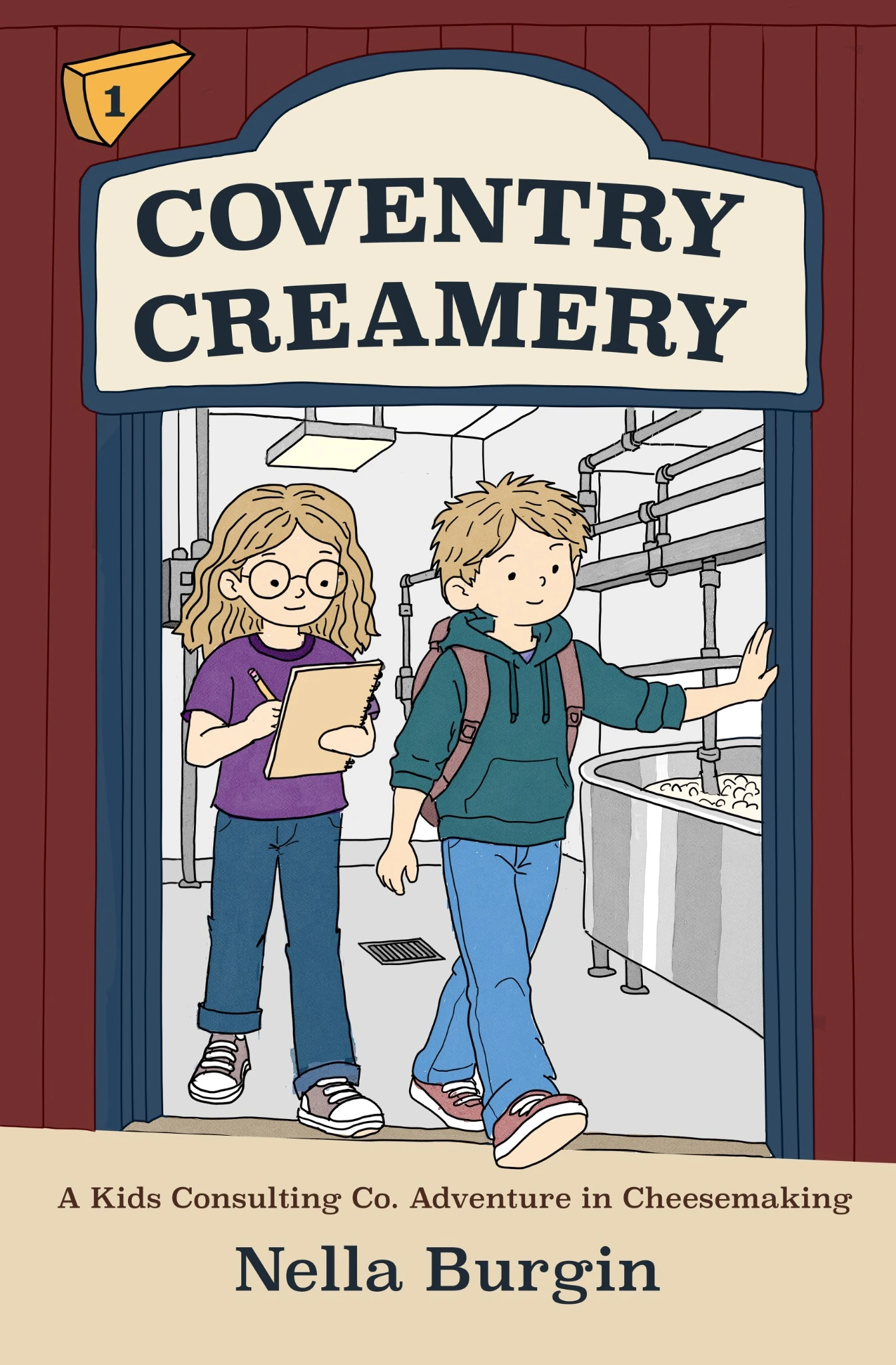
Emily likes machines she can take apart on paper. Ozey notices prices, waste, inventory, and anything that does not add up. At Coventry Creamery, those two ways of looking at the world start to overlap.
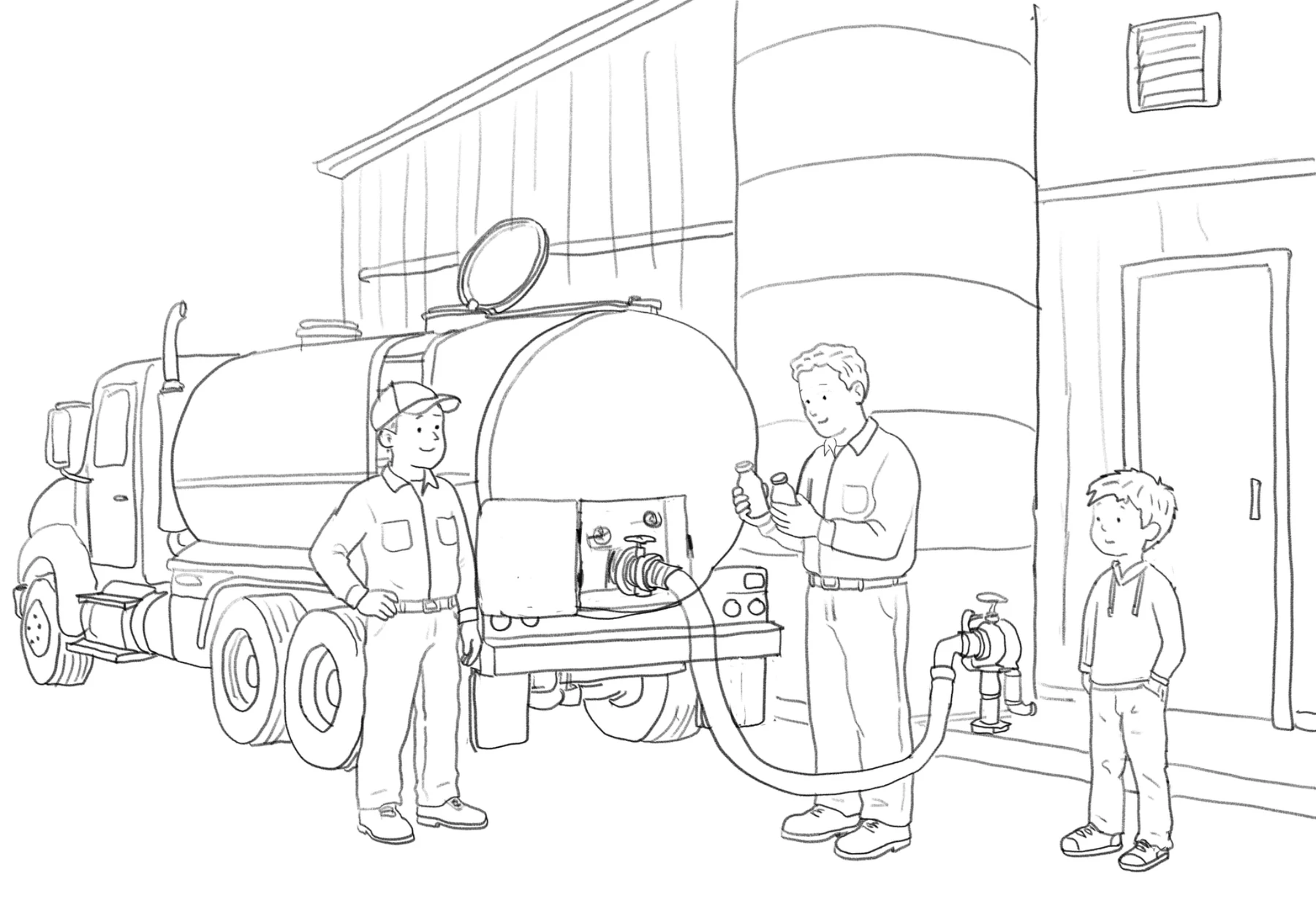
They follow milk from the tanker through testing, separation, pasteurization, vats, curds, cheddaring, milling, pressing, aging, cottage-cheese production, packaging, and cold storage — while slowly realizing that the creamery itself is in trouble.
The illustrations are part of the explanation. They show unfamiliar machinery, physical processes, and moments when a reader can understand the words but still need a picture to truly see what is happening.
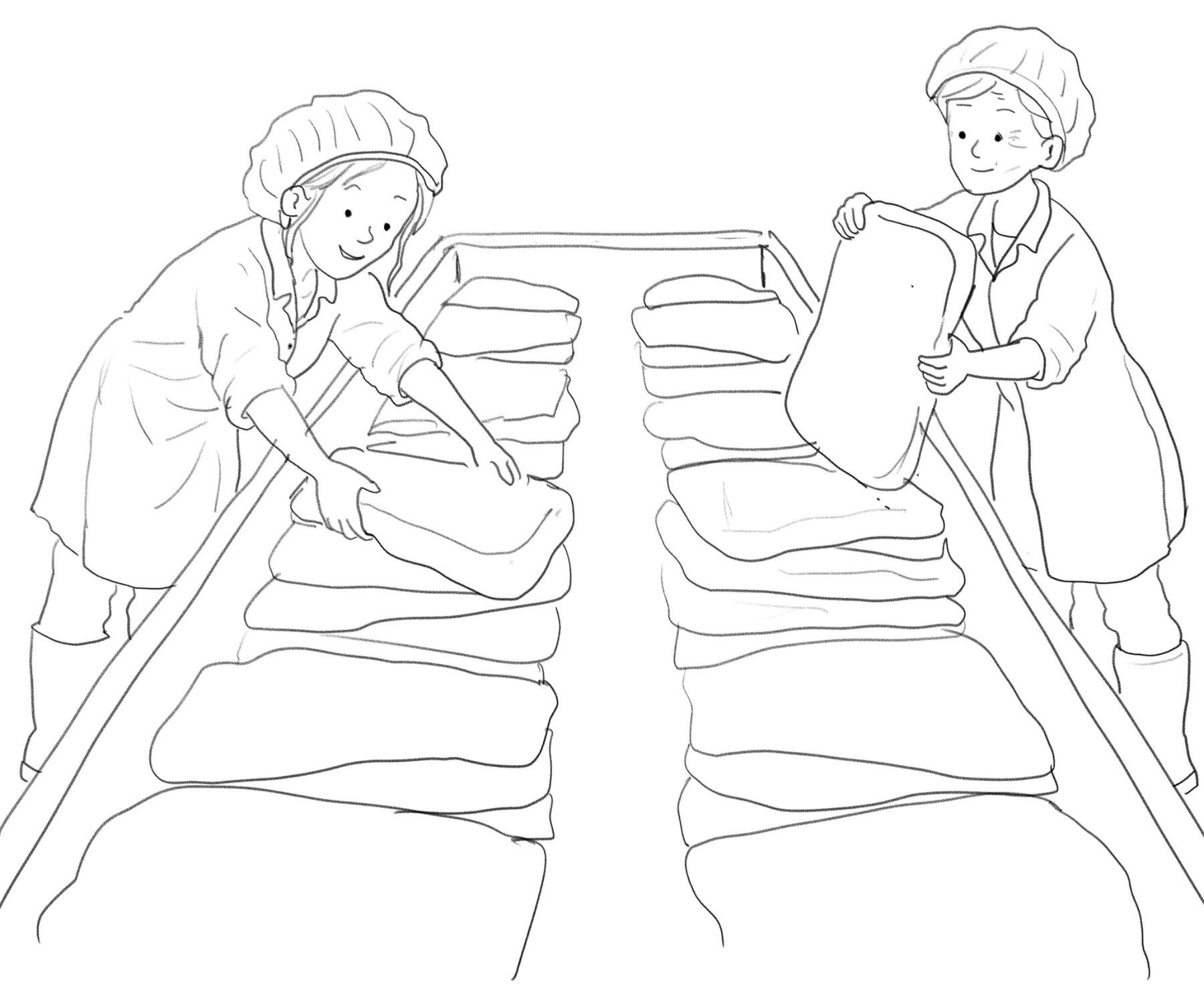
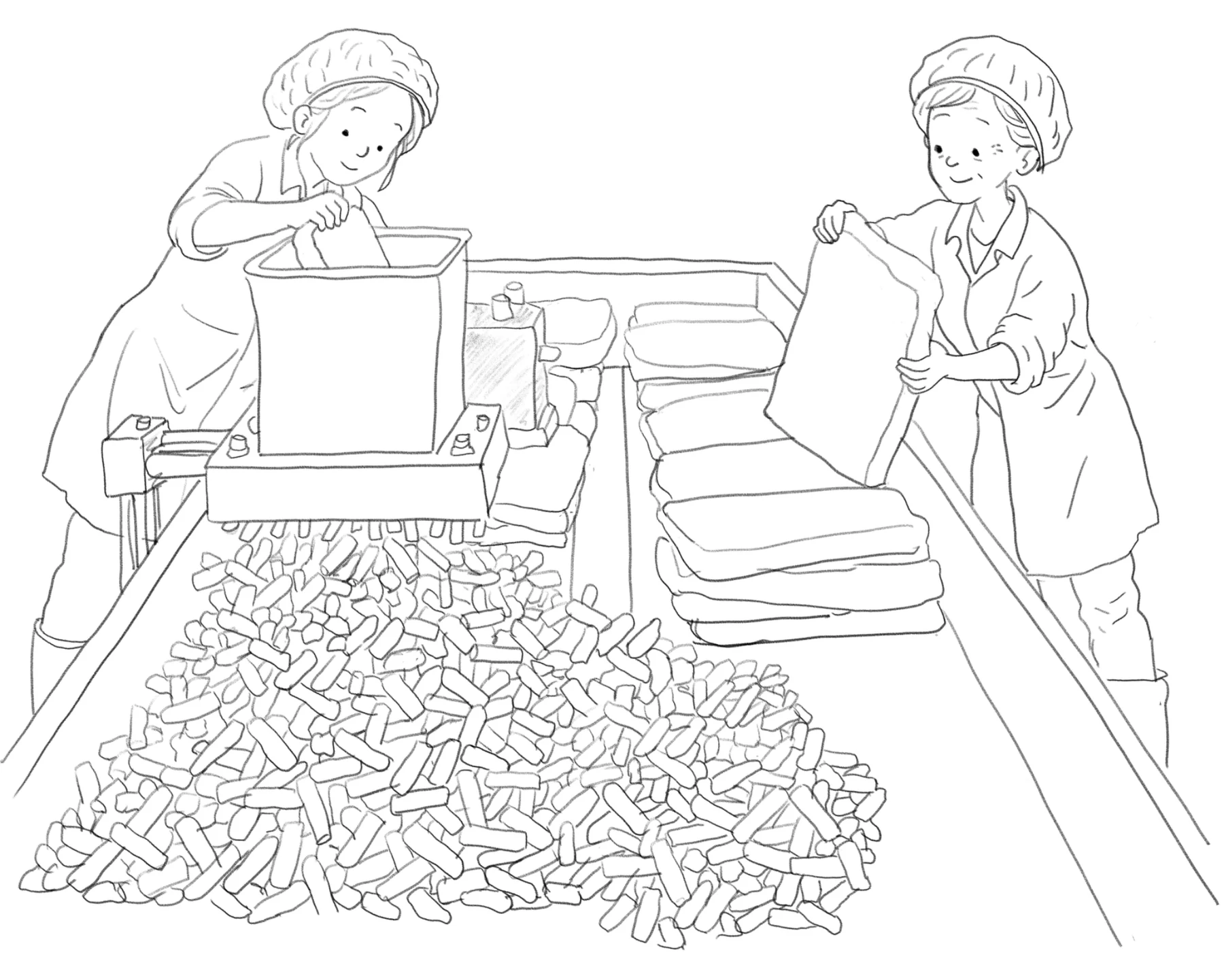
We simplify the explanation, not the underlying process.
Young readers can handle real machinery, process, tradeoffs, constraints, and technical vocabulary when those details answer questions they genuinely want answered. Accuracy and storytelling are not competing goals.
The kids begin as visitors. They have to understand the people, product, and physical process before they know what problem matters.
The tour goes deep enough that readers can understand not just the sequence, but the reasons behind it.
Equipment, labor, ingredients, shelf life, waste, inventory, cost, and customers all become part of the story.
The kids test assumptions, get things wrong, learn why ideas fail, and use those failures to narrow the problem.
The eventual insight should only be possible because they paid attention inside the factory.